
North Coast and Cascades Network (NCCN)

Parks in this Network

Click to see Larger
Network Map


North Coast and Cascades Network


Quick Links
Located in the Pacific Northwest, the North Coast and Cascades Network (NCCN) is composed of seven park units located in northwestern Oregon and the western half of Washington (state).
NCCN parks are in the mountains and lowlands of the Pacific Northwest, from the Pacific Ocean to the east slope of the Cascades Range. Tall mountains and a maritime climate produce a tremendous environmental gradient, varying in elevation from sea level to glaciers, and in annual precipitation from almost 200 inches to less than 20 inches per year. These environmental patterns shape the variety and distribution of plant and animal communities and ecosystems encompassed within the parks.
This website delivers information about these resources, the Network's Inventory & Monitoring Program, and the scientific activities underway. Learn more about specific topics by exploring the links on the left or visit the park units pages to discover the particular resources found at each of these special places. From these pages you can access study results, data, and related analysis about the natural resources investigated by the NCCN, its parks, and research and land management partners. Park managers use this information make to decisions about park resources.
Featured Information
Landsat-based monitoring of landscape dynamics in Olympic National Park: 1985-2010

The NCCN protocol for monitoring landscape dynamics using Landsat satellite imagery was implemented at Olympic National Park in 2014 using LandTrendr. We mapped eight categories of landscape change that occurred at OLYM and surrounding areas from 1985 to 2010: Avalanches, Clearing, Development, Fire, Mass Movements, Progressive Defoliation, Riparian, Tree Toppling, and Winter Ice...
Learn more...
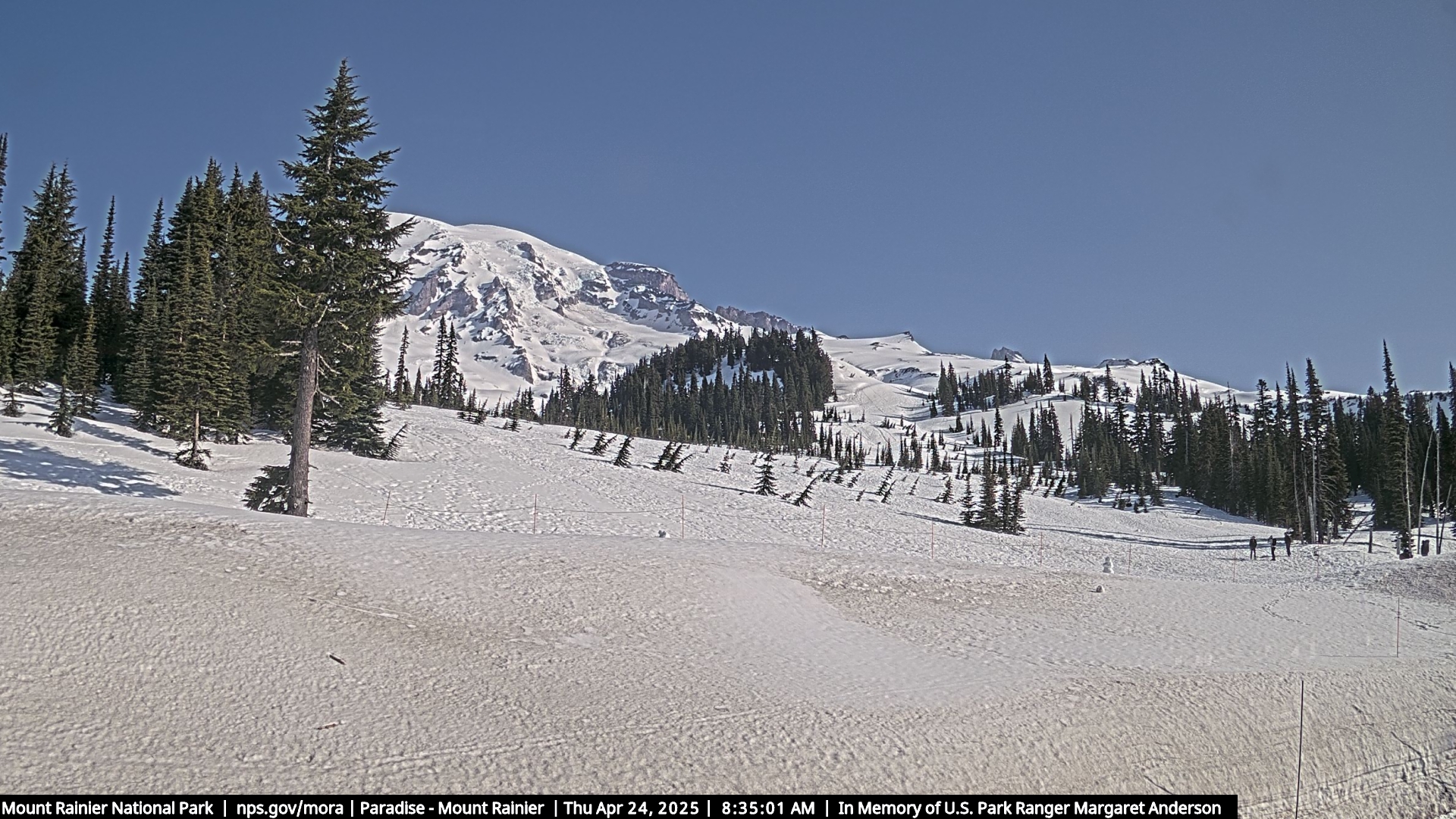
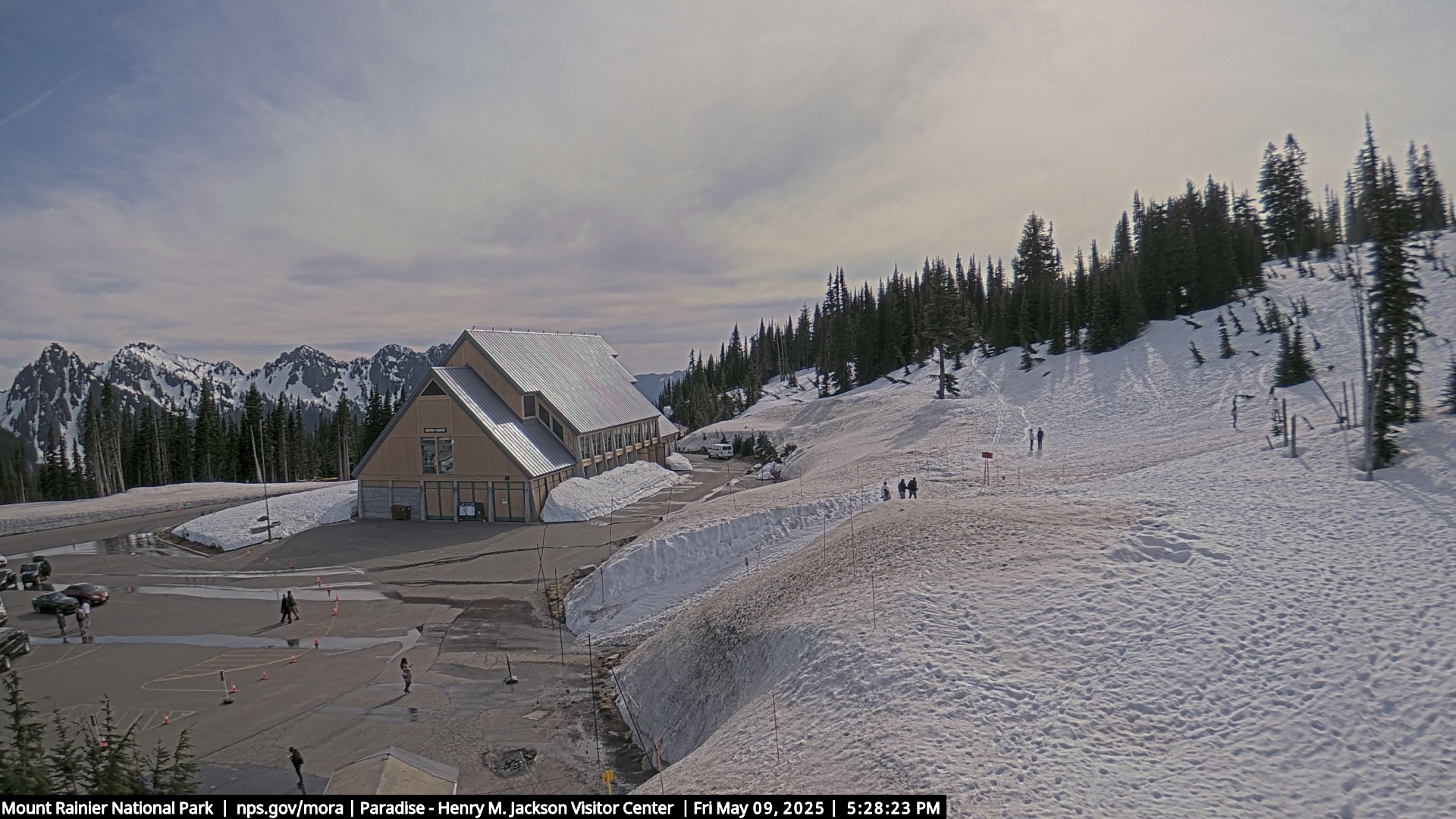
Live Webcams
(click on image for a larger view)



Video: Taking the Pulse (produced by the NCCN Science Learning Network)
Geomorphology of Mount Rainier: Landform mapping at Mount Rainier National Park

The geology of MORA is a testament to the power of tectonic forces near a subduction zone that created the largest stratovolcano in the lower 48 states. Mount Rainier volcano is surrounded by mountains dominated by older volcanic rocks, setting it apart from Glacier Peak and Mount Baker to the north. The geomorphology of the park is also strongly shaped by surficial Earth processes...
Learn more...


